
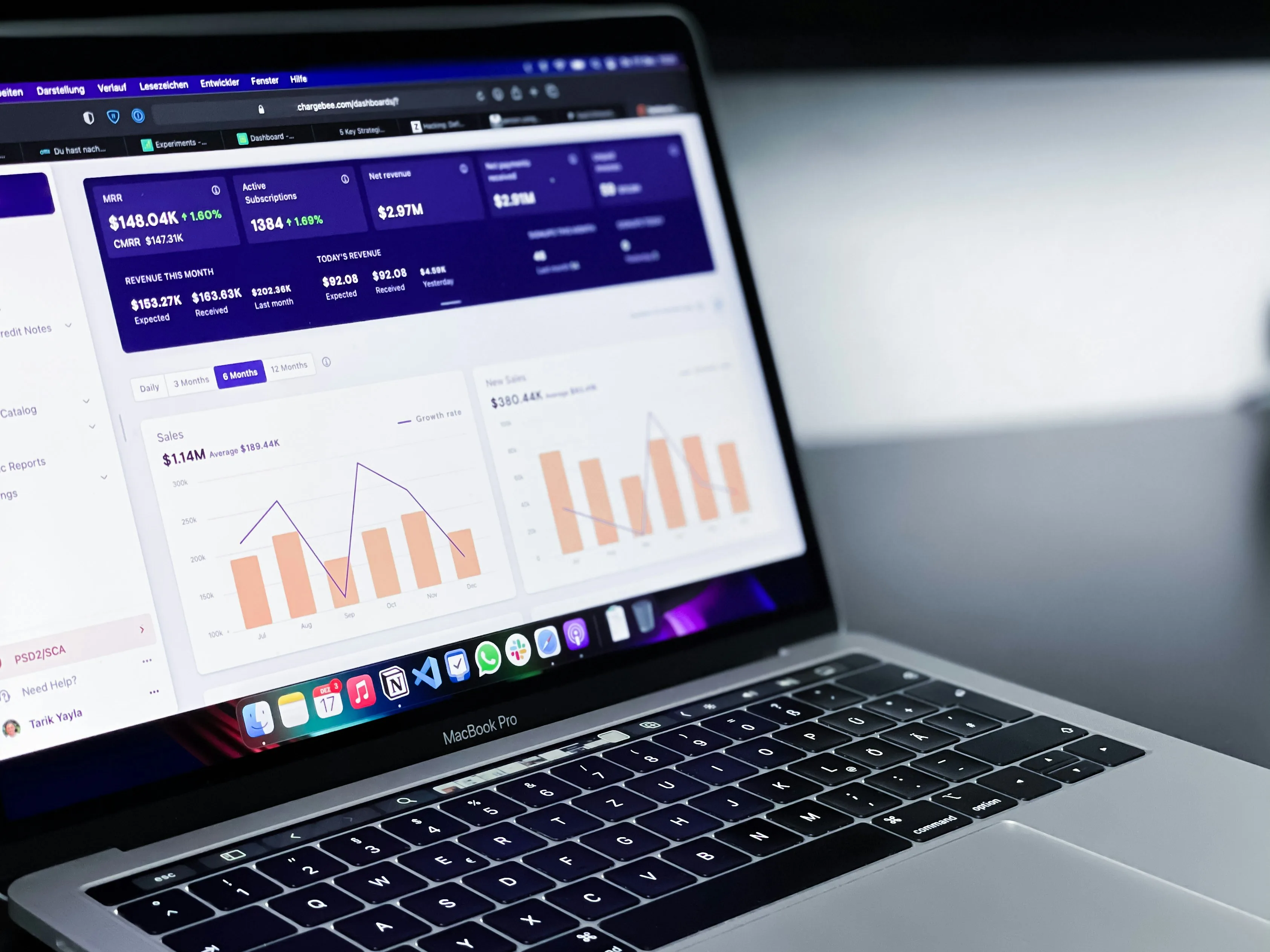
Duplicate data
The same information is entered in several places, different versions appear, and it becomes hard to know which data is reliable for making decisions.
Algeciras / Campo de Gibraltar
I build web applications, automations, and integrations for companies in Algeciras and Campo de Gibraltar that rely on manual processes, spreadsheets, or disconnected tools.
I mainly work online, with in-person meetings available when useful for companies in Algeciras, Los Barrios, San Roque, La Línea, and the rest of Campo de Gibraltar.
Operational problems
Many companies in Algeciras and Campo de Gibraltar need a better way to organize the tools they already use. Orders, clients, documents, tasks, and data often end up split across spreadsheets, email, WhatsApp, and disconnected applications.
The same information is entered in several places, different versions appear, and it becomes hard to know which data is reliable for making decisions.
Orders, documents, alerts, invoices, or requests pass through too many hands and consume hours that could be spent on higher-value work.
The website, ERP, CRM, invoicing, or forms work separately, and the team ends up acting as the bridge between applications.
When it makes sense
Custom software becomes worth considering when temporary workarounds begin to delay important operations or create recurring errors.
There are more versions, more errors, and more difficulty knowing which data is correct. The spreadsheet no longer organizes the business; it barely holds it together.
Copying data, generating documents, sending alerts, or updating information manually consumes time that could be spent on higher-value work.
The website, ERP, CRM, invoicing, forms, or internal tools work separately, and the team acts as the bridge between them.
When the same information is entered in several places, delays, errors, or decisions based on outdated data eventually appear.
A standard tool may be the wrong fit when essential rules and workflows require constant workarounds.
What worked with WhatsApp, email, and a spreadsheet becomes difficult to control with more clients, orders, employees, or workload.
Services
I turn defined operational problems into maintainable applications, automations, and integrations.
Internal applications, management dashboards, client portals, and platforms adapted to specific processes. Especially useful for centralizing orders, clients, documentation, internal tasks, or information that is currently scattered.
Custom web application development arrow_forwardI automate repetitive tasks such as document generation, automatic alerts, data imports, approval flows, or information updates between systems.
Business process automation arrow_forwardI connect ERP, CRM, invoicing, forms, online stores, databases, internal platforms, and external services to avoid copying information from one place to another.
I develop mobile apps when the process needs them: teams away from the office, clients who need quick access, field records, or notifications.
Mobile app development for companies arrow_forwardBefore investing in development, I analyze whether you need custom software, an existing tool, a simple integration, or a smaller first phase.
Technology consulting for companies arrow_forwardLocal use cases
Service companies, logistics operators, distributors, associations, and retailers often depend on accurate documents and coordination between teams. Across Algeciras and Campo de Gibraltar, connected systems can reduce duplicate administration and provide a clearer operational view.
Client management, work reports, documents, appointments, quotes, tasks, and internal team communication.
Movements, orders, deliveries, documentation, and coordination between several people with updated information in a single system.
Catalogs, recurring orders, professional clients, rates, or production status that should not depend on emails and spreadsheets.
Requests, documentation, users, centers, permissions, leave, internal communications, or scattered records.
Orders, bookings, quotes, and continuous communication without depending only on WhatsApp or manual notes.
When tools are already in place, integrating systems can be more profitable than replacing them all.
Phased approach
One common mistake when planning custom software is trying to solve everything at once.
My usual recommendation is the opposite: start with the process that consumes the most time, causes the most errors, or blocks the team the most.
First I define a useful version with you. Then I test it, improve it, and expand it if the results justify further work. This controls risk and investment while the team learns from using the software.
Review the process
Tell me about it and I will assess whether automation, an integration, or a focused custom application is the right next step.
Methodology
Technology comes after understanding the process, setting priorities, and identifying a measurable operational benefit.
I review how the company works, which tools it uses, where tasks are duplicated, and which problems recur.
I identify which tasks consume the most hours, where errors appear, and which part of the process delays the team.
I propose a focused scope based on business priority rather than an exhaustive feature list.
I build a solid foundation, test it through day-to-day use, and make adjustments based on what the team needs.
A custom solution must be felt day to day: fewer manual tasks, fewer errors, better information, or greater operational capacity.
Software does not end the day it goes live. It can be maintained, adjusted, and evolved as needs change.
Trust
You work directly with me from the initial analysis to the later evolution of the system.
In a custom software project, many decisions are not only technical. I first identify which process is worth automating, which part can use an existing tool, and when custom development makes sense.
My role is to recommend and build the smallest useful approach, whether that is custom software, an integration, or an existing tool.
Case studies
These projects address specific processes in management, orders, staffing, and internal digitization.
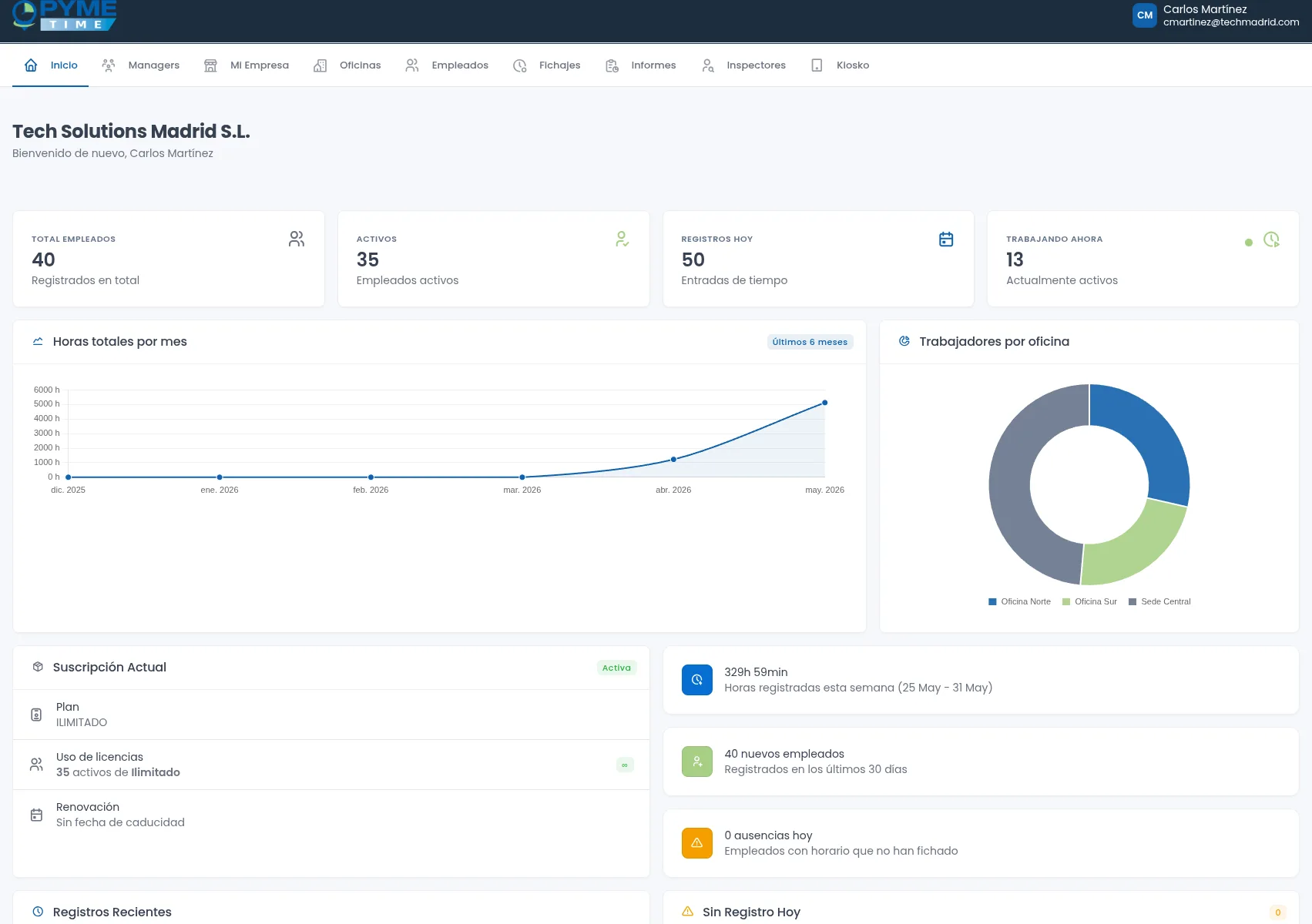
Web app/SaaS for SMEs
Time tracking, staff management, and internal processes for small and medium-sized companies that need to centralize information and simplify daily work.
View PymeTime case study arrow_forward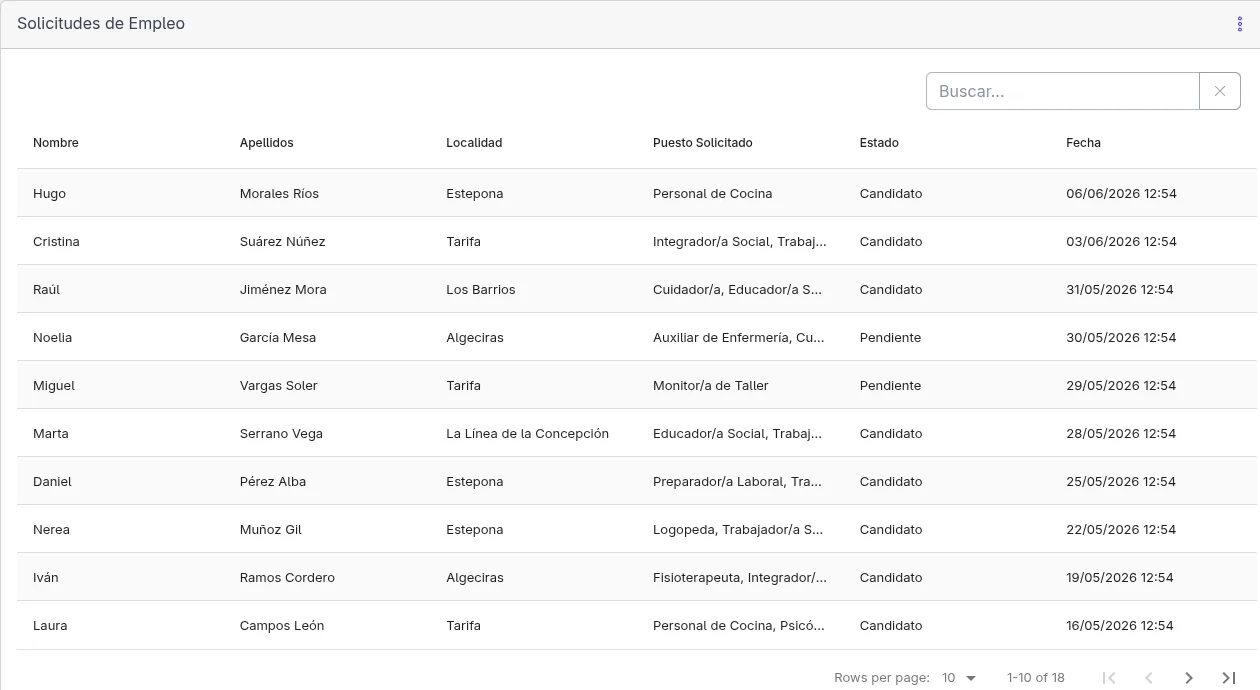
Internal management digitization
Internal tool to digitize people management, requests, documentation, centers, and complex administrative workflows.
View Asansull case study arrow_forward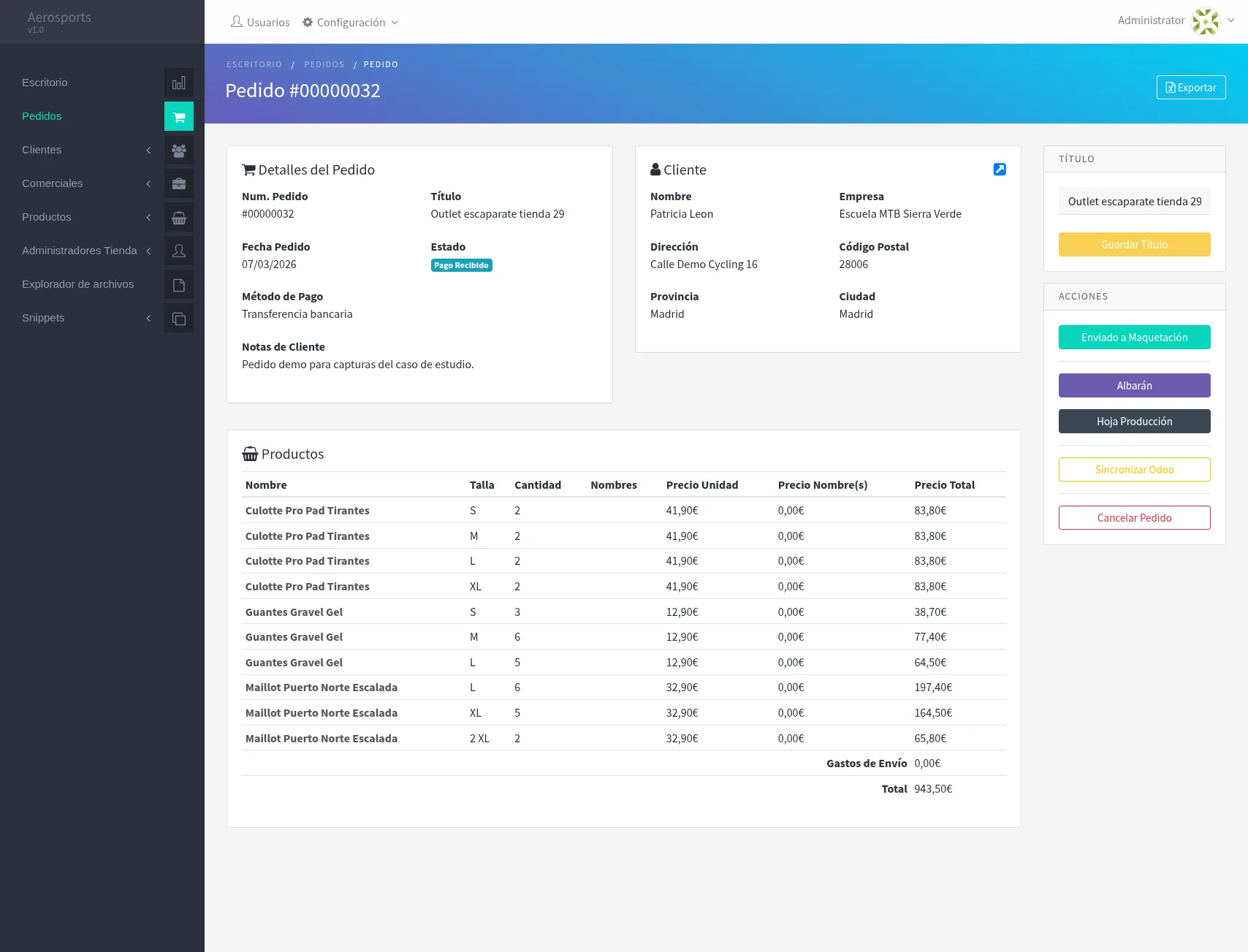
B2B portal connected with Odoo
B2B portal for catalogs, clients, size-based orders, and Odoo integration, useful for distribution and professional orders.
View AeroSports case study arrow_forwardThe goal was not to have one more app, but to reduce manual work, connect information, or provide more control over important operations.
Practical judgment
Not every company needs custom software. If an existing tool solves the problem well, that is usually the best place to start. Custom development is worth considering when the process is specific, current tools require repeated workarounds, or automation can remove substantial manual work.
Frequently asked questions
Answers to common questions before you make a decision.
It depends on the problem to solve, the scope of the solution, the required integrations, and the project phases.
The most sensible approach is to define a useful first phase, estimate the effort, and decide whether the investment makes sense based on the time saved, error reduction, or management improvement it can provide.
It is worth it when your company has a specific, repetitive, or important process that does not fit well into standard tools.
It is not worth it if an existing tool solves the problem well, if the process still changes every week, or if there is no clear business benefit.
No. I work mainly online with companies in different locations.
For companies in Algeciras and Campo de Gibraltar, proximity also makes in-person analysis or project meetings possible when useful. I also work with companies elsewhere in Cadiz, Andalusia, and Spain.
Yes, when it makes sense for the project. I mainly work online, but proximity makes it possible to organize in-person meetings in Algeciras or nearby areas to analyze processes, start a project, or review important progress.
Yes, as long as it is technically viable. Sometimes an existing application can be improved, extended, connected with other tools, or complemented with a new module without starting from scratch.
Yes. I can help connect internal applications with ERP, CRM, invoicing, forms, online stores, databases, external tools, or APIs. Integrations are often very useful when the team is manually copying information between systems.
Yes, and it is usually the best approach. Starting with a first phase lets you validate the solution, control investment, and improve the software through day-to-day use. You do not need to build everything from the beginning.
Yes. I develop mobile applications for companies when they make sense for the type of use: mobile teams, clients who need quick access, notifications, or processes carried out away from the office. In some cases, a mobile-friendly web application is enough.
I mainly work with SMEs that have a clearly defined operational need. Company size matters less than whether the expected benefit justifies the project.
Tell me which process you want to improve. I will assess whether it makes sense to automate it, integrate existing tools, or build a phased custom application.
Book a free initial consultation