
A clearly identified business process
Each project begins with a specific need: time tracking, orders, recruitment, production, or interaction through a mobile application.
Software built for business operations
Projects built to reduce manual work, connect systems, and organize operations that standard tools could not support effectively.
Each case starts with a specific process and its own rules, users, and integrations.
The starting point
It usually involves manual processes, disconnected tools, duplicated data, or important work that depends on spreadsheets, email, and messages.
These projects show how a focused application, automation, or integration can simplify day-to-day work and provide better operational control.
The goal is not to build more software, but to build the piece that removes the main operational blocker.
I work particularly well with businesses that already have a working process and need to organize it, automate it, or turn it into a dedicated tool.
The technology should fit the process, not the other way around.
Common patterns
Each project begins with a specific need: time tracking, orders, recruitment, production, or interaction through a mobile application.
The software reduces repeated data entry, searching across different channels, and manual steps that consume team time.
Internal staff, customers, sales representatives, and managers access the information and actions relevant to each role.
The systems can support additional users, processes, and features without rebuilding the application from scratch.
Solution types
A single project may combine several elements. This overview connects common business needs with the type of technical solution that may fit them.
Workflows that reduce repetitive tasks, centralize information, and connect data held in different tools.
Private tools for managing operations, documents, and recurring tasks from one place.
Multi-company products with users, permissions, reports, and an architecture that can accommodate new requirements.
Private portals that connect customers, sales representatives, orders, and production with internal business systems.
Mobile products with profiles, posts, messaging, notifications, and tools designed for a specific community.
Before investing
Is the problem in the process, the current tool, or the connection between several tools?
Which tasks should be automated, and which still require human judgment?
What data, permissions, and responsibilities does the business need to control?
Which likely changes should the system support without needing to be rebuilt?
Documented projects
Each case explains the process that needed improvement, how the system was approached, and the technical or product decisions that shaped the project.
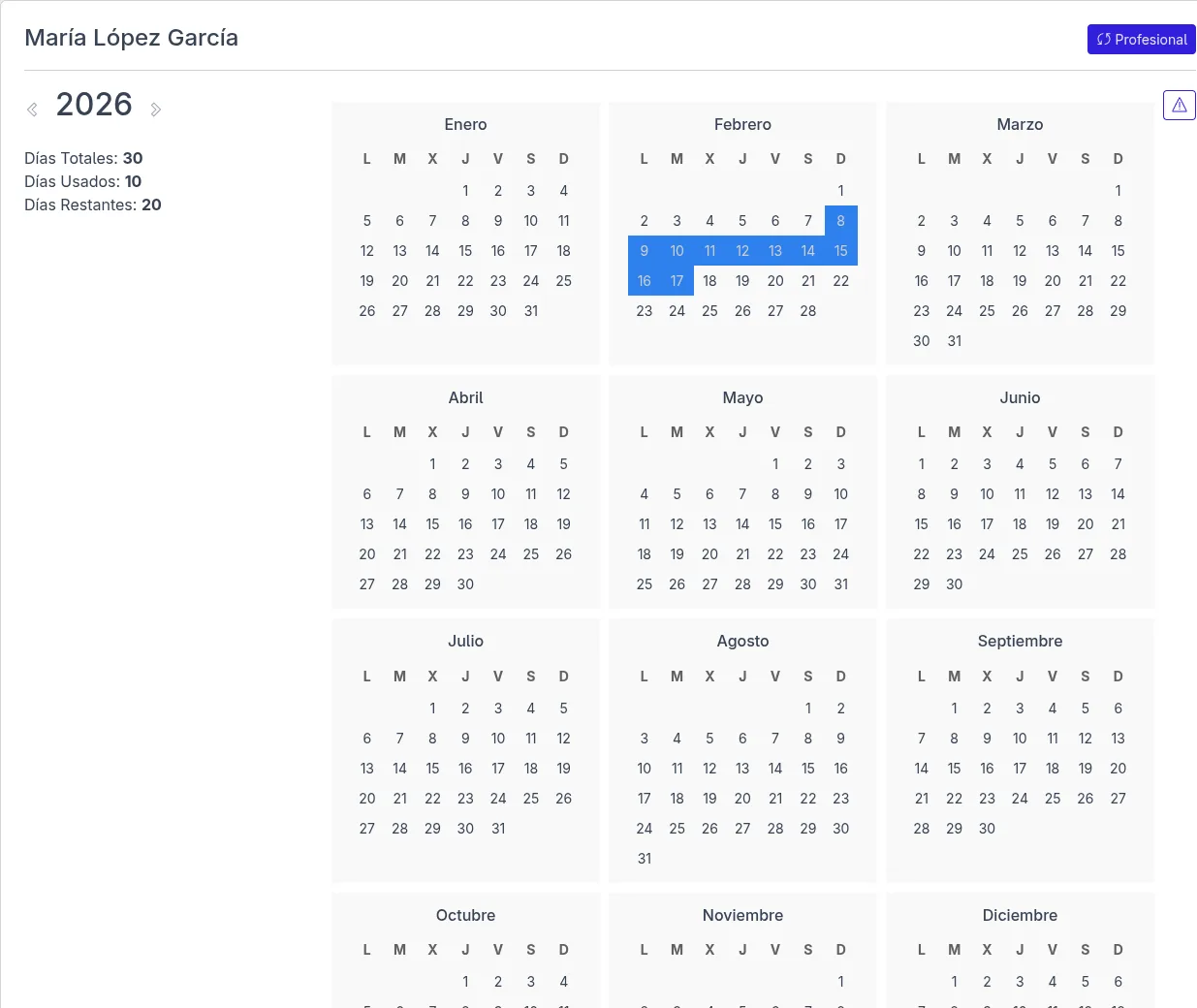
HR operations
An internal platform that centralizes applications, hiring, leave, documentation, and center assignments while reducing manual work and duplicated records.
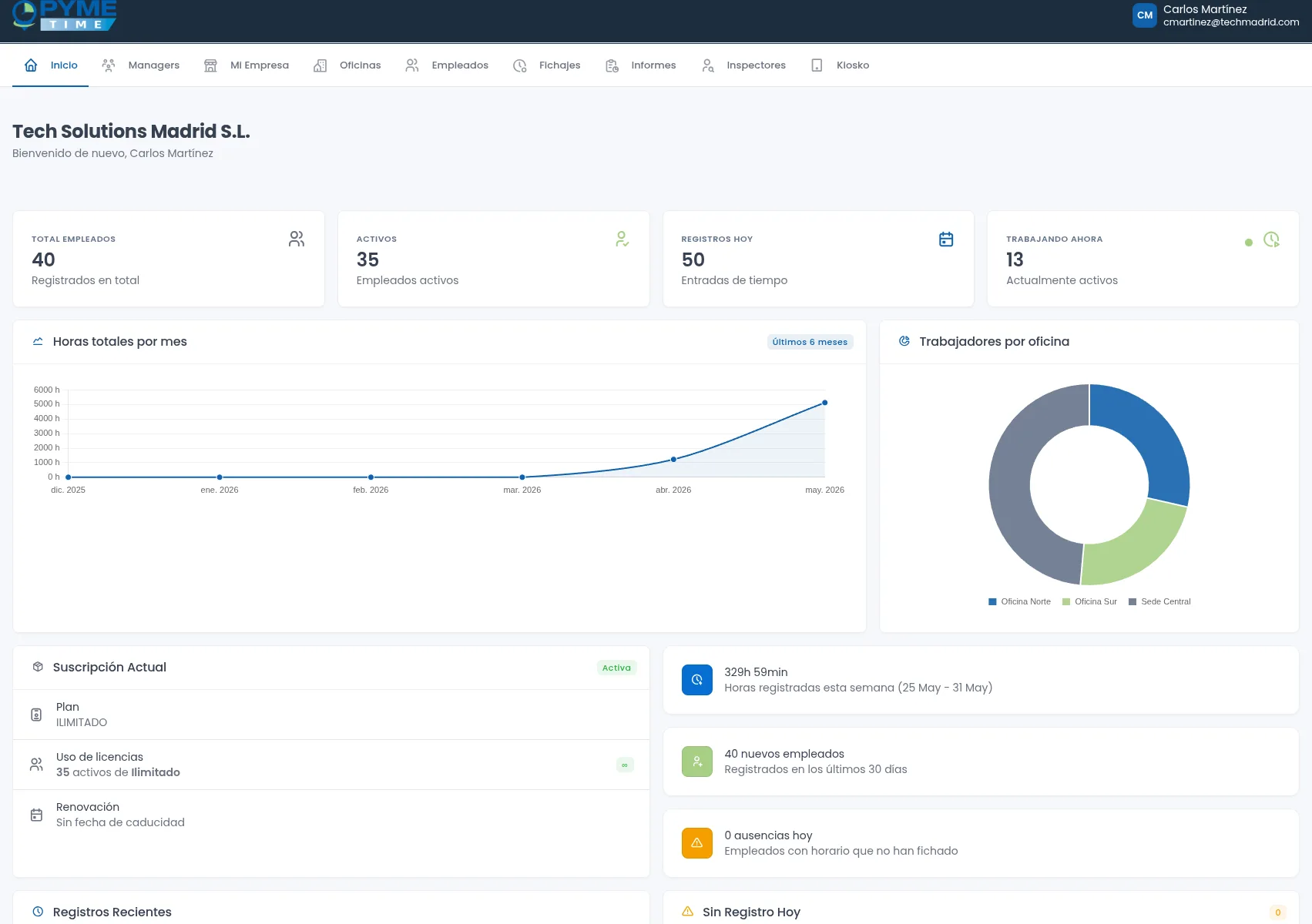
Multi-company SaaS
A SaaS platform that centralizes clock-ins, incidents, employee records, shared kiosk workflows, and time-tracking reports.
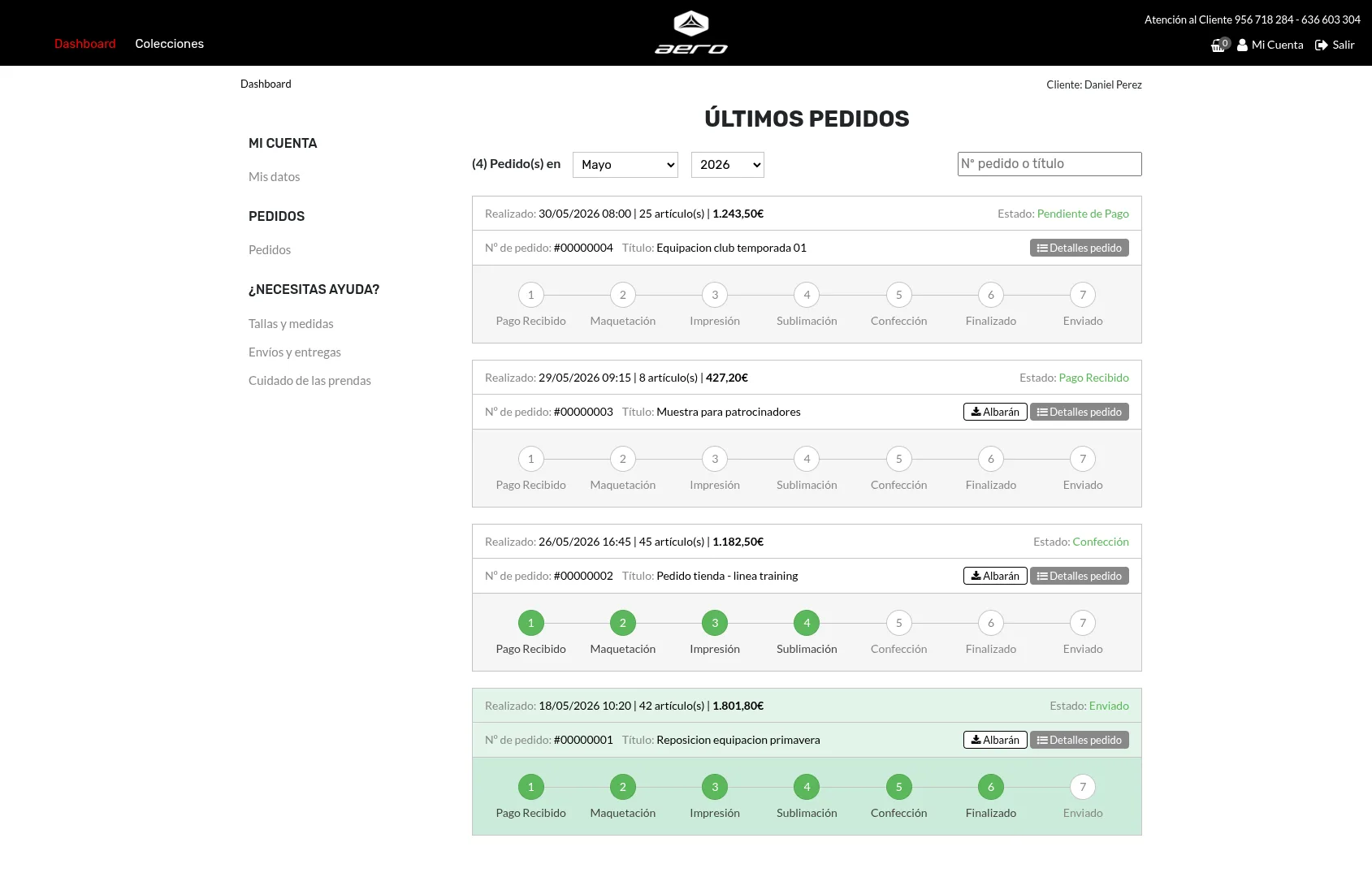
B2B platform
A private portal for clubs, stores, and sales representatives, with custom catalogs, size-based orders, production tracking, and Odoo integration.
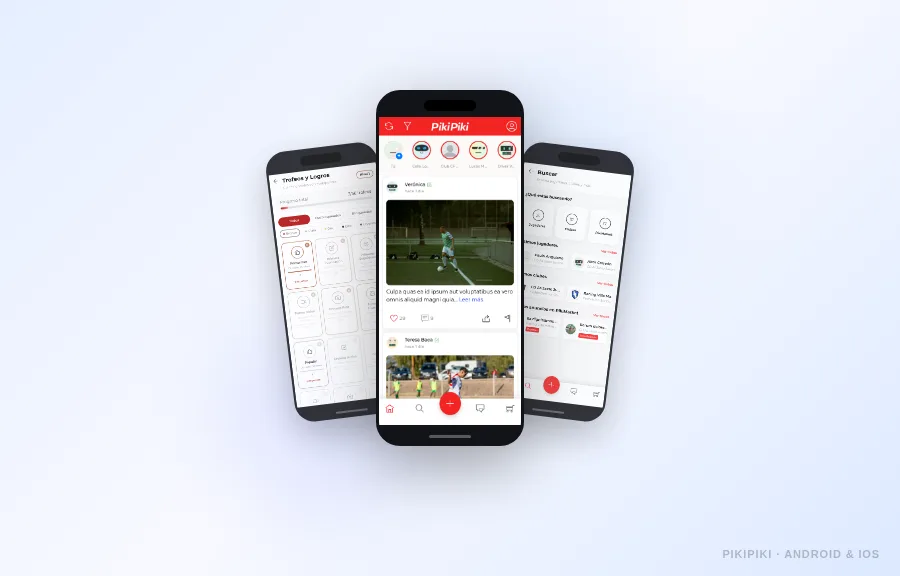
Social mobile app
A mobile application with posts, stories, sports profiles, messaging, and notifications, built on a dedicated platform designed to evolve.
Tell me what is blocking the team, and I will help assess whether to develop, automate, integrate, or improve what already exists.